Publish SEO Content to Unlimited WordPress Sites in One Click
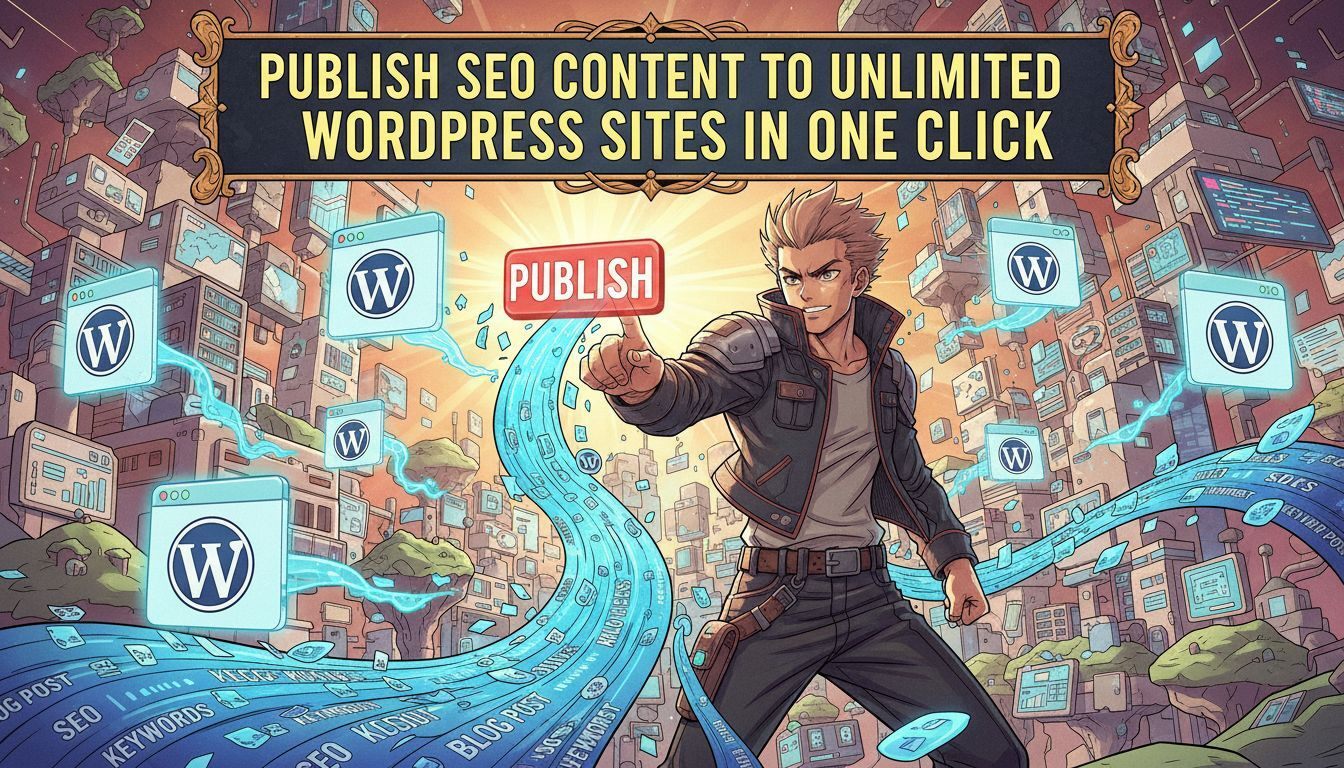
Imagine being able to publish SEO articles across an unlimited number of WordPress sites with just a single click. No more tedious manual uploads, no endless copy-pasting, and no waiting for each site to update individually. This is no longer a dream reserved for tech giants or massive agencies; it’s a reality accessible to marketers, content creators, and agencies managing multiple client sites today. The idea of automating content distribution isn’t new, but the way it’s achieved has evolved dramatically, especially with tools that leverage AI to streamline the process. The challenge has always been balancing speed with quality, ensuring that each piece of content is optimized for SEO and tailored to each site’s unique audience. In this article, I’ll walk you through how to harness the power of automation to publish SEO content to unlimited WordPress sites—fast, efficient, and, most importantly, effective. We’ll cover the nuts and bolts of the process, share real-world examples, and offer actionable insights to help you get started right away. Whether you’re an agency juggling dozens of client sites or a solo marketer looking to scale your content efforts, this guide aims to make the seemingly impossible, possible.
Why Automate SEO Content Publishing?
First off, let’s be honest: manual content management on multiple WordPress sites is a nightmare. It eats up hours, drains resources, and increases the risk of inconsistency. You might have one site optimized well, but then forget to update another. Plus, with the relentless pressure to produce fresh SEO articles, the traditional approach just doesn’t cut it anymore.
Automation solves these issues by allowing you to generate, schedule, and publish SEO articles simultaneously across all your client or personal sites. It ensures uniformity, saves time, and keeps your content pipeline flowing without bottlenecks. But more than that, automation can help you maintain a consistent publishing schedule, which search engines favor. Google loves fresh content, and if you’re managing multiple sites, it’s easy to fall behind without a reliable system in place.
For agencies, this means being able to serve more clients with less overhead. For individual marketers, it’s a way to scale efforts without sacrificing quality. The key is leveraging AI-powered tools that generate SEO-optimized articles tailored to each site’s niche and audience. This way, you’re not just blasting out generic content; you’re delivering relevant, high-quality articles that rank well and engage readers.
How to Set Up a One-Click Publishing System
Step 1: Choose the Right Automation Tool
Not all tools are created equal. Some focus solely on scheduling, while others generate content using AI. The best solutions combine both—allowing you to generate, customize, and publish articles across multiple WordPress sites seamlessly. Look for platforms that support bulk operations, API integrations, and have a good reputation for reliability.
One standout example is a tool that integrates AI content generation with multi-site management, enabling you to generate articles and push them to all your sites in one go. This kind of system reduces manual steps and minimizes errors. Remember, the goal is to find a tool that can handle your volume, adapt to your needs, and grow with your business.
Step 2: Automate Content Generation with AI
Generating SEO articles manually is time-consuming and often inconsistent. AI content tools have matured significantly, allowing you to produce high-quality, keyword-rich articles in seconds. These tools analyze your target keywords, competitor content, and even your site’s tone to craft articles that are not only optimized for search engines but also engaging for readers.
Using AI, you can generate multiple articles tailored for different client sites, each with unique angles or focus keywords. This prevents duplicate content issues and keeps your sites fresh. When choosing an AI content generator, prioritize those with built-in SEO optimization features and easy integration with your publishing platform.
Step 3: Manage Multiple WordPress Sites Efficiently
Managing multiple sites can be complicated, but with a centralized dashboard, it becomes manageable. Many automation tools support multi-site management via APIs or plugins that connect directly to your WordPress installations. You can set up templates, define publishing schedules, and assign specific content pieces to each site.
Once configured, you can generate content once and have it automatically published across all your sites with a single click. This is where the real magic happens: you set your parameters, hit publish, and watch as your SEO articles go live on multiple sites without manual intervention. This saves countless hours and ensures a consistent brand voice and SEO strategy.
Case Study: Scaling Content for a Digital Marketing Agency
Let’s consider a real-world scenario. An agency managing 50 local business websites wanted to improve their SEO rankings while reducing the time spent on content management. They adopted an AI-driven automation platform that supported bulk content creation and multi-site publishing. Their process looked like this:
- Generated 200+ SEO articles per week tailored to each client’s niche using AI.
- Scheduled and published articles across all 50 WordPress sites with a single click.
- Monitored performance and made adjustments based on analytics, all within the same platform.
Within just a few months, they observed a 30% increase in organic traffic and a noticeable boost in local search rankings. The key was not just automation but strategic planning: knowing what keywords to target, how often to publish, and ensuring content quality remained high. This example underscores the potential of automated, AI-powered publishing when combined with smart SEO tactics.
Best Practices for Effective Automated Publishing
1. Maintain Content Quality
Automation doesn’t mean sacrificing quality. Use AI tools that produce well-researched, readable articles. Always review and tweak generated content to ensure it aligns with your brand voice and accuracy. Remember, Google penalizes thin or duplicate content, so focus on relevance and uniqueness.
2. Optimize for SEO, But Don’t Overdo It
Keyword stuffing is a thing of the past. Instead, focus on natural integration of keywords, semantic variations, and long-tail phrases. Use the AI’s SEO features to identify the best keywords and ensure they flow naturally within the content.
3. Schedule Strategically
Consistency is key. Use your automation platform to set publishing schedules that match your audience’s active hours. Spread out content over days or weeks to maintain engagement and improve search engine rankings.
4. Monitor and Adjust
Automation isn’t a set-it-and-forget-it solution. Regularly review analytics to see what’s working. Adjust your content themes, keywords, and publishing frequency based on real data. This iterative approach ensures continuous improvement.
Potential Challenges and How to Overcome Them
Of course, no system is perfect. Some common pitfalls include content redundancy, low engagement, or technical glitches. To mitigate these, always keep a manual review process in place. Use automation as a backbone, but add human oversight for quality assurance.
Another challenge is maintaining a natural tone. AI-generated content can sometimes sound robotic or awkward. Incorporate personal touches, anecdotes, or localized information to make articles more relatable. This human element can significantly boost engagement and SEO performance.
Final Tips for Success
- Invest in quality AI tools: Not all AI content generators are equal. Do your research and pick platforms with proven track records.
- Build templates and workflows: Save time by creating reusable templates for different niches or client types.
- Stay updated on SEO best practices: Algorithms change, so keep learning and adjusting your strategies.
- Leverage analytics: Regularly analyze your content’s performance to refine your approach.
By automating the publishing process with a focus on quality and strategic planning, you can vastly increase your content output without sacrificing SEO effectiveness. The ability to generate and publish articles across unlimited WordPress sites in just one click is no longer a pipe dream. It’s a real tool that, when used wisely, can transform your marketing efforts and boost your clients’ online presence.
For those looking to streamline their workflow further, exploring tools that integrate AI content creation with multi-site management is crucial. According to an insightful review from HitPublish, platforms that combine automation with intelligent content generation are setting new standards for efficiency and results. Whether you’re managing a handful of client sites or a sprawling network, this approach can save you hours weekly and deliver better SEO outcomes.
In conclusion, adopting a one-click publishing system for SEO articles across unlimited WordPress sites isn’t just a time-saver; it’s a strategic move to dominate search rankings, serve clients more effectively, and scale your marketing efforts. The future of content management is here, and it’s powered by automation and AI. Embrace it, refine it, and watch your online presence grow exponentially.