Quit Google Ads: My Clear Break and Why I Won’t Return
Ditch Google Ads—don’t look back. That stark truth hits after a relentless cycle of testing, spending, and watching clicks turn into vanity metrics instead of meaningful results. This article doesn’t sugarcoat the transition; it provides a clear, step-by-step strategy you can copy, adapt, and own. As a student navigating budgets, time, and learning goals, you deserve a method that fits your schedule, topics, and audience. If you’re tired of fragile ad systems that demand constant effort, this guide shows you how to build a more reliable, scalable approach—one rooted in your own content that leads to predictable traffic and steady growth. Introduction: Why the shift makes sense Quitting Google Ads isn’t about rebellion; it’s about gaining clarity in measurement, controlling costs, and fostering sustainable growth. Paid ads often flood your workflow with noise—bid wars, fluctuating CPCs, quality scores, and conversion windows. For students focused on learning, the math rarely adds up when immediate sales aren’t the goal. The smarter move is to invest your time in content that builds skills, credibility, and organic traffic. By focusing on SEO, content quality, and platforms you control, you generate greater value than paying per click on someone else’s digital real estate. This long-term approach involves consistent publishing, search optimization, and audience ownership. The result is a smoother, repeatable system you can scale as your projects, clients, and knowledge expand.
Section 1: Reframing the goal—earned reach over paid reach
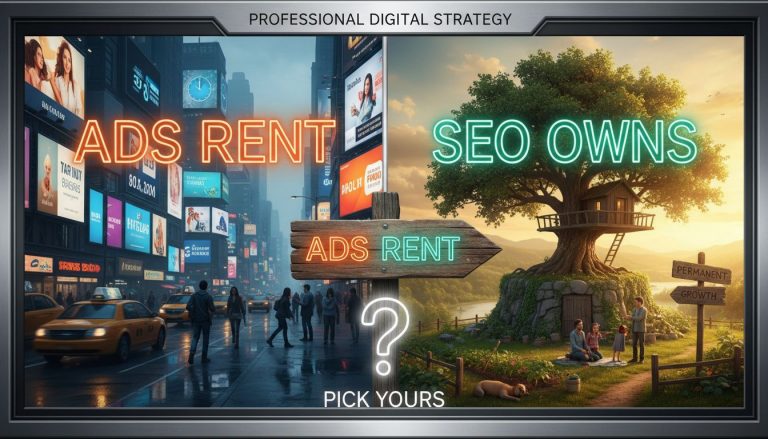
Paid reach offers quick results but comes at a high cost—money and time. Earned reach, on the other hand, rewards fundamentals: relevance, keyword research, and seamless user experiences. Your goal shifts from chasing immediate impressions to building lasting visibility across your WordPress sites and client platforms. The key is simple: create content that answers real questions your audience asks, then optimize it so search engines understand and rank it. That’s built, not bought. If you manage multiple WordPress sites, you can publish, optimize, and syndicate content more efficiently than running separate campaigns. The practical steps involve mapping topics to keyword clusters, crafting articles that satisfy user intent, and measuring impact through organic metrics—not ad clicks. This isn’t a complete replacement for paid media but a solid foundation for portfolios and agency workflows.
Key transitions
- From per-click budgeting to per-content ROI tracking
- From landing pages optimized for conversions to content optimized for intent
- From ad platforms controlling attention to owning traffic through your own properties
Section 2: A step-by-step plan to transition from ads to SEO-first publishing
- Audit your assets: List all your sites, topics, and performance signals. Identify what ranks well and what stalls. This clean inventory reveals where SEO can boost impact without paid spend.
- Define your audience and goals: For students, focus on topics related to coursework, projects, or career interests. Map out questions you want your readers to answer after engaging with your content.
- Create a keyword and topic map: Develop clusters around core themes. Each cluster guides readers from initial intent to deeper, publish-ready content across your sites.
- Prioritize value over vanity: Every article should deliver a clear takeaway, practical steps, and measurable results for your audience.
- Optimize on-page elements: Use headings, short paragraphs, bullet points, and concrete examples. Keep sentences under 25 words when possible.
- Leverage WordPress features: Implement structured data, internal links to related posts, and a consistent taxonomy to enhance crawlability.
- Track what matters: Monitor organic impressions, click-through rates, dwell time, and conversions tied to your content goals, like signups or project inquiries.
- Experiment with formats: Use case studies, how-to guides, and templates—they perform well for long-tail searches. Support content with multimedia, but avoid overloading pages.
- Scale carefully with automation: Use tools to publish, optimize, and distribute content, but maintain quality. Never sacrifice readability for automation metrics.
Practical tips for implementation
- Publish a weekly article targeting a high-potential keyword cluster per site.
- Repurpose assignments or projects into SEO-friendly posts.
- Use internal links to create topic pathways across your WordPress sites.
- Maintain consistent publishing before chasing sudden traffic spikes.
- Monitor analytics every 4–6 weeks and adjust topics based on performance.
Section 3: Real-world examples and case studies
Case A: A student-managed network of three WordPress sites focused on introductory programming, data analysis, and career advice. They published weekly posts, added internal links, and built an email list from readers downloading templates. Within six months, organic traffic grew by 78%, and newsletter signups increased by 46%. They reduced monthly ad spending to nearly zero while increasing audience value.
Case B: A student running a portfolio site and two client sites. By publishing detailed project walkthroughs and tutorials, they ranked in the top three for niche keywords and received two recurring client inquiries per month—all without paid advertising. These examples prove that consistency, relevance, and audience focus matter more than viral hits. A noteworthy trend: automating parts of the publishing process can save time while maintaining quality. For example, generating outlines with AI tools, then editing for tone and accuracy. This isn’t about replacing thinking but speeding up content creation—similar to organizing a study plan: outline, fill in details, and expand into comprehensive guides. According to experts, the best SEO strategies blend automation with human oversight, ensuring your voice remains authentic while increasing output.
Section 4: Building a sustainable content engine
Develop a consistent rhythm that works across multiple WordPress sites. Your content engine has four components:
- Topic research: stay aligned with audience questions.
- Writing workflow: focus on clarity, practical examples, and actionable steps.
- Optimization checklist: apply SEO basics—titles, meta descriptions, headings, internal links, and alt text.
- Distribution schedule: set a regular publishing and promotion routine.
When combined, these create a repeatable system for managing multiple projects without relying on paid ads. Over time, you’ll build a library of authoritative articles that continue ranking, freeing you to focus on learning rather than constant bidding wars.
Proven tactics to stay on track
- Publish 1–2 high-quality articles weekly per site.
- Update and republish content after 90 days if rankings decline.
- Use an editorial calendar to plan topics 6–8 weeks ahead.
- Include exercises or downloadable templates.
- Cross-link related posts to reinforce authority.
Section 5: Managing agency workflows and student projects
For agencies, this strategy scales: standardize your publishing framework, but tailor topics to each client’s niche. Develop a shared content playbook with templates for outlines, research, and editorial standards. This accelerates onboarding and maintains quality. Students benefit similarly: adapt the same playbook for school projects, internships, or side businesses. Regular publishing, optimizing for intent, and tracking results will improve your grades and strengthen your portfolio. This approach reduces dependence on paid channels and boosts confidence in creating value through owned content.
Tip: When explaining your approach to clients, frame it as: “We focus on search intent first, then attract and retain readers with practical, valuable content.” It’s clear, defensible, and scalable. Clients respect a plan rooted in evidence and results rather than guesswork about impressions or click-throughs. The emphasis on long-term gains over quick spikes aligns perfectly with building a sustainable career in digital marketing or content creation.
Section 6: FAQs and common concerns
- Will I lose immediate traffic by quitting Google Ads?
Not instantly, but you’ll develop organic reach that grows over time.
- Can content replace paid traffic for a portfolio?
Absolutely, especially with consistent publishing and optimization for audience questions.
- How do I measure success without ads?
Focus on organic impressions, page views, time on page, and conversions like signups or inquiries.
- Is automation risky for content quality?
It can be, if used blindly. Use automation to support, not replace, thoughtful editing.
- What if my niche is highly competitive?
Start with long-tail topics, build authority, then expand into broader themes as your content library grows.
Actionable tips
- Prioritize high-quality, relevant content over paid advertising.
- Build topic clusters and internal links across all managed sites.
- Set a realistic weekly publishing goal and stick with it for 3–6 months.
- Use automation tools to speed up drafting, but ensure final content is polished.
- Track metrics aligned with your learning and client objectives.
As you implement these steps, you’ll notice changes not just in traffic but also in your learning speed. Your growing library of articles, templates, and case studies will showcase your ability to manage content across multiple sites. This disciplined focus on SEO and practical value becomes your competitive edge. Deciding to stop chasing paid traffic isn’t a rejection of results; it’s an investment in a more controllable, scalable, and educational workflow. Your future self will thank you for choosing a path rooted in skill, discipline, and persistence rather than fleeting ad success. “The best growth comes from systems you can repeat, not random luck with ads.”
Conclusion: Your roadmap starts now
You’re not quitting Google Ads to give up marketing—you’re reclaiming your time, your budget, and your capacity to learn. The framework outlined here offers a concrete, repeatable way to publish, optimize, and grow content across multiple WordPress sites without relying on paid channels. It’s a shift toward ownership, accountability, and measurable progress. Begin with one site, implement the topic map, and expand once you see results. Stay curious, stay disciplined, and let your content do the heavy lifting. Review your progress every 4–6 weeks, refine your topics, and keep moving forward. The journey may be longer, but the results will be more reliable and empowering—perfect for students aiming to build a lasting portfolio and develop credible skills.