How Small Teams Manage Large Content Networks Efficiently
Running a large-scale content network with just a small team might sound like a logistical nightmare—unless you’ve cracked the code on automation, smart systems, and strategic workflows. It’s tempting to think that only big corporations with armies of content creators can pull off a multi-site, multilingual publishing empire, but that’s a misconception. Small teams, armed with the right tools and processes, can manage and even thrive in this space. The secret lies in leveraging AI, automation, and optimized systems that do the heavy lifting, freeing up your human resources for creative and strategic tasks.
In this article, we’ll explore how small teams can efficiently run large content networks, focusing on actionable strategies, real-world examples, and insights into the technology that makes it all possible. Whether you’re managing a handful of WordPress sites or a complex web of multilingual blogs, the principles here will help you scale without sacrificing quality or speed. Expect practical tips, case studies, and a clear understanding of how to turn your small team into a lean, mean, content-producing machine.
Understanding the Foundation: Systems and Processes
Why a Strong System Matters
Before diving into automation and AI, it’s critical to build a solid foundation—your content system. Think of this as the backbone that keeps everything aligned. A well-structured system ensures consistency, reduces redundancy, and makes scaling feasible. For small teams, this means having clear workflows, standardized templates, and a centralized content calendar.
For instance, adopting a content management system (CMS) like WordPress is a no-brainer. But it’s not just about having WordPress; it’s about how you organize your sites, categorize content, and plan your publishing schedule. Using tools like Trello or Notion for workflow management can help assign tasks, track progress, and prevent bottlenecks. The idea is to make your process as predictable and repeatable as possible, so automation can take over the mundane tasks.
Creating a Content Strategy for Scale
Small teams often stumble when they don’t have a clear content strategy. It’s tempting to publish whenever you have a piece ready, but without a plan, your network becomes a jumbled mess. Instead, develop a strategic plan that defines your target audiences, content themes, and publishing frequency across all sites. This plan acts as your roadmap, ensuring every piece contributes to your overall goals.
Take, for example, a team managing multiple WordPress sites in different niches—say, travel, tech, and health. Each site needs tailored content, but the overarching strategy should prioritize SEO, audience engagement, and conversion goals. Once you set these parameters, you can automate content creation, publication, and SEO optimization, making your small team look like a well-oiled content factory.
Harnessing AI for Content Creation and Optimization
AI as a Content Generator
One of the most transformative shifts in recent years has been integrating AI into content creation. AI tools now can generate drafts, suggest headlines, optimize for SEO, and even produce multilingual content. For small teams, this drastically reduces the time needed to produce high-quality content at scale.
Imagine having an AI that can produce initial drafts for blog posts, social media snippets, or product descriptions. This allows your team to focus on editing, adding unique insights, and ensuring the content aligns with your brand voice. Using platforms like HitPublish.ai, which offers AI-powered content generation specifically for WordPress, can automate the process of publishing directly to multiple sites with different languages, saving hours each week.
SEO and Content Optimization with AI
Creating content is only half the battle. Ensuring it ranks well and attracts traffic is equally important. AI-powered SEO tools can analyze your content for keyword density, readability, and relevance, providing actionable suggestions to boost your rankings. These tools also help identify trending keywords and search intents, guiding your content strategy.
For example, AI-driven SEO optimization can help a small team identify long-tail keywords to target for niche audiences, giving you a competitive edge without a massive SEO budget. By automating SEO checks and suggestions, your team can publish more content faster, with confidence that it’s optimized for search engines.
Automating Multisite, Multilingual Publishing
Managing Multiple WordPress Sites with Different Languages
Managing a network of WordPress sites across different languages might seem daunting, but automation simplifies this task. Using plugins like WPML or Polylang, combined with AI tools, you can generate multilingual content efficiently. More importantly, AI can help translate and localize content, maintaining nuance and tone across languages.
For small teams, the challenge is publishing consistently across all sites without overextending resources. This is where automation platforms like HitPublish.ai shine. They allow you to create a single content piece and publish it directly to multiple WordPress sites, each tailored for a specific language or regional audience. This approach minimizes duplication of effort and ensures uniformity in your messaging.
Workflow for Multisite Content Deployment
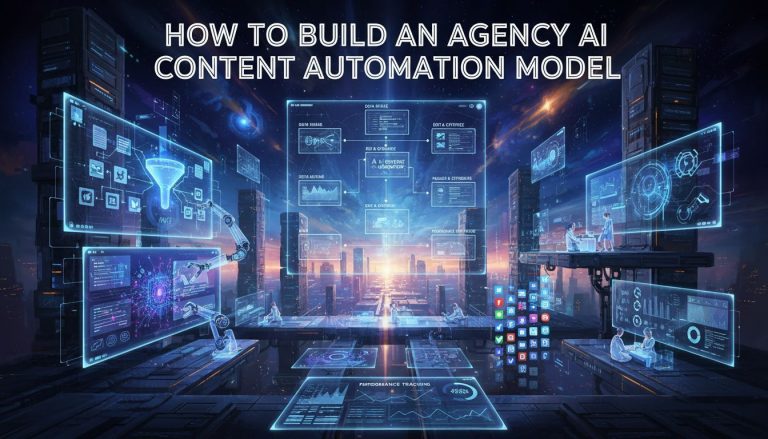
Developing a streamlined workflow involves the following steps:
- Content creation using AI-generated drafts or outlines.
- SEO and readability optimization, assisted by AI tools.
- Localization and translation, either manually or via AI.
- Scheduling and publishing across multiple sites with automation tools.
- Monitoring performance and adjusting content based on analytics.
This workflow allows a small team to handle what traditionally would require a much larger operation. Over time, you can refine each step, automate repetitive tasks, and focus on strategic growth.
Case Study: Small Team, Big Network
Consider a small digital marketing agency managing five niche blogs in different languages. They used to spend hours coordinating content calendars, translating articles, and manually publishing. After adopting HitPublish.ai and AI-driven SEO tools, they cut content production time by 60%. Their team of three now manages 20 websites, with consistent publishing schedules and improved search rankings.
This success story underscores the importance of integrating AI and automation into your workflow. Not only does it boost efficiency, but it also improves content quality and reach, all without expanding the team size. The key takeaway is that with the right tools, small teams can punch far above their weight.
Strategies for Scaling with Quality and Efficiency
Prioritize Content Quality over Quantity
While automation allows for rapid content production, quality must remain the priority. Use AI to generate initial drafts, but always have a human review for accuracy, tone, and engagement. High-quality content resonates better, boosts SEO, and builds trust with your audience.
Leverage Data and Analytics
Use analytics tools to track which content performs best across your network. Focus your efforts on topics and formats that generate traffic, engagement, and conversions. Data-driven decisions ensure your small team’s efforts are aligned with actual results, not just assumptions.
Build a Knowledge Base and Style Guide
Having a documented style guide and content standards helps maintain consistency across all sites. It also speeds up the review process and ensures that even new team members or freelancers can produce content aligned with your brand voice.
Potential Trade-offs and Limitations
While automation and AI offer significant advantages, they are not silver bullets. Over-reliance can lead to generic content or neglect of the human touch that engages audiences. Small teams should balance automation with strategic oversight, ensuring authenticity and relevance remain at the forefront.
Furthermore, some languages or niches may require more manual intervention or specialized expertise. AI tools are improving rapidly, but they still have limitations in understanding context or cultural nuances. Testing and refining your systems regularly help mitigate these issues.
Final Thoughts: Small Teams, Big Impact
Running a large content network isn’t just the privilege of big corporations anymore. Small teams can achieve remarkable scale by adopting a results-focused approach that combines the right systems, AI, and workflows. Automation tools like HitPublish.ai make it possible to publish directly to multiple WordPress sites, even in different languages, without drowning in manual tasks.
By prioritizing quality, leveraging data, and streamlining processes, your small team can produce a steady stream of high-performing content across numerous platforms. The key is to stay adaptable, continually optimize your workflows, and use technology as an extension of your team’s capabilities. As the landscape evolves, those who embrace automation and strategic planning will find themselves leading the pack, even with limited resources.
Start exploring these strategies today, and watch your content network grow—effortlessly and efficiently. Your small team’s potential is greater than you think, especially when powered by the right tools and mindset.