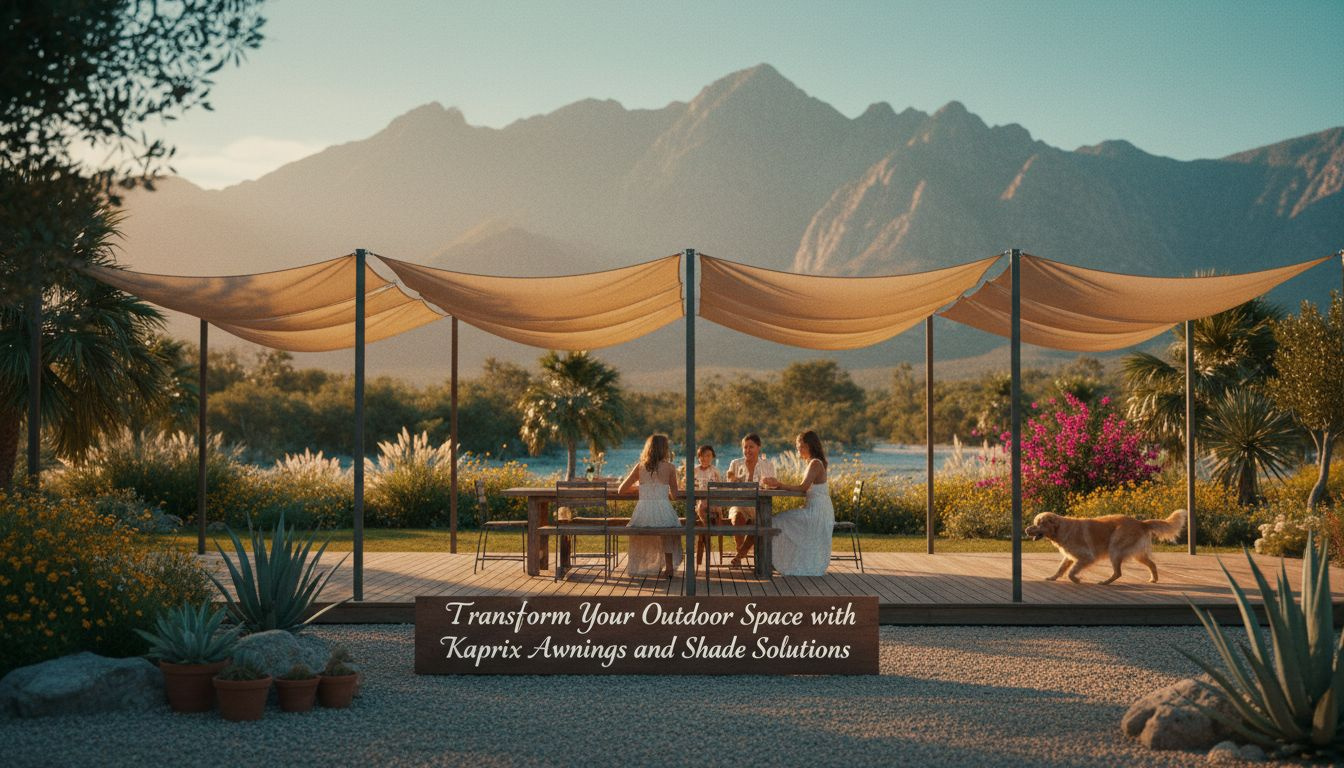
Transform Your Outdoor Space with Kaprix Awnings and Shade Solutions
Awnings, Pergolas, and Shading Solutions: Transforming Outdoor Spaces with Style and Functionality
Imagine stepping into a restaurant terrace or hotel courtyard that immediately feels inviting, stylish, and comfortable, no matter the time of day. The secret often lies in smart shading solutions—awnings, pergolas, sails, and folding arms—that turn ordinary outdoor spaces into extraordinary experiences. As outdoor dining and leisure become more central to hospitality and residential design, the importance of high-quality shading systems has never been more apparent. These solutions do more than just block the sun; they create ambiance, extend usable space, and add a touch of luxury that elevates any property. But choosing the right shade solution isn’t always straightforward. It involves understanding the nuances between different types, materials, and mechanisms, along with practical considerations like durability, maintenance, and aesthetic appeal. This comprehensive guide dives into the world of awnings, pergolas, and innovative shading solutions, illustrating how they can redefine outdoor environments with style and function.
Understanding the Core Types of Shading Solutions
Awnings: The Classic and Versatile Shade
Awnings are among the most recognizable and widely used shading solutions. They typically consist of a fabric or metal cover that extends over windows, patios, or walkways, providing immediate relief from the sun’s harsh rays. The beauty of awnings lies in their versatility—they can be retractable or fixed, manual or motorized, and crafted in various materials to match architectural styles. For example, a luxury hotel in Lebanon might choose a sleek, motorized roll-up awning to enhance its facade, offering guests shade and style simultaneously.
Retractable awnings are particularly popular because they offer flexibility—you can extend them during peak sun hours and fold them away when not needed. Modern fabrics are UV-resistant, waterproof, and fade-proof, ensuring longevity even in challenging climates. Some high-end models incorporate sensors that automatically retract or extend based on sunlight intensity, making them a practical choice for busy commercial settings or upscale residential properties.
Pergolas: Combining Structure with Elegance
Pergolas are more substantial structures, often made of wood, aluminum, or a combination of materials. They feature open lattice or slatted roofs that allow sunlight to filter through while offering partial shade. Pergolas are particularly valued for their aesthetic appeal—they add a sense of grandeur and can serve as standalone features or complement existing architecture.
In hospitality settings, pergolas create outdoor lounges or dining areas that feel luxurious and inviting. They can be outfitted with retractable fabric covers, sail shades, or even integrated lighting and heaters, transforming outdoor spaces into year-round retreats. The key to a successful pergola lies in balancing openness with enough coverage to provide comfort without blocking natural light entirely. For instance, a hotel in Beirut might install a pergola with adjustable slats, enabling guests to enjoy sun or shade as they prefer.
Sails and Shade Fabrics: Modern and Minimalist
Shade sails are increasingly popular for their sleek, modern look. Made from high-tensile fabric stretched between anchor points, sails can cover large areas with minimal visual impact. They are ideal for pools, playgrounds, or outdoor dining spaces that require a clean, contemporary aesthetic.
Additionally, innovative sail fabrics are now available that resist mold, UV damage, and tearing, making them suitable for challenging environments. Their flexibility allows for creative configurations—triangles, rectangles, or custom shapes—that adapt to unique site geometries. When combined with other structures like pergolas or awnings, shade sails can create layered shading effects that are both functional and visually striking.
Folding Arms and Roll-Up Tents: Compact and Practical
Folding arm awnings and roll-up tents offer compact solutions for smaller spaces or specific needs. Folding arms extend outward and retract easily, making them suitable for storefronts or small patios. Roll-up tents provide temporary or seasonal shade, often used for outdoor events, markets, or festivals. They are quick to set up and dismantle, offering a practical option for temporary shading needs.
In terms of luxury and durability, these solutions can be customized with high-end fabrics and robust mechanisms, ensuring they withstand frequent use and harsh weather conditions. They are particularly appealing for businesses seeking flexible shading options without sacrificing style.
Materials and Mechanisms: Balancing Aesthetics and Durability
Choosing the Right Materials
The longevity and performance of shading solutions depend heavily on the materials used. For fabrics, options range from acrylic and polyester to PVC-coated textiles, each offering different levels of UV protection, waterproofing, and fade resistance. High-end fabrics are often treated to resist mold, algae, and staining, making them ideal for coastal or humid climates.
Structural components like frames are typically made of aluminum, steel, or wood. Aluminum is lightweight, rust-resistant, and requires minimal maintenance, making it popular in modern designs. Steel offers strength and durability but needs protective coatings against corrosion. Wooden pergolas add warmth and charm but require regular maintenance to withstand weathering.
Mechanisms and Automation
Mechanisms range from manual cranks to sophisticated motorized systems with remote controls or integration into building automation. Motorized awnings and pergolas can be equipped with sensors that respond to sunlight, wind, or rain, automatically retracting or adjusting to protect the structure and ensure user comfort.
Automation adds convenience and enhances the luxury feel of a property, especially in hospitality settings where guest experience is paramount. It also minimizes wear and tear, as structures are used precisely when needed, reducing unnecessary exposure to elements.
Case Studies: Successful Outdoor Shade Transformations
Lebanese Hotel Embraces Modern Shade Design
A luxury hotel in Beirut recently invested in a combination of retractable awnings and pergolas to expand its outdoor dining area. The hotel opted for a sleek, motorized roll-up awning over the main terrace, providing shade during hot summer days. Meanwhile, a series of pergolas with adjustable slats were installed in the garden, creating private lounging zones that can adapt to weather changes. The result was an elegant, functional space that increased seating capacity and boosted customer satisfaction.
This project underscores how blending different shading solutions can enhance the overall ambiance and operational flexibility of hospitality venues. The hotel also integrated Kaprix’s high-end shading systems, ensuring durability and aesthetics, which proved essential in Lebanon’s variable climate.
Restaurant in Downtown Beirut Innovates with Shade Sails
Another example involves a bustling restaurant that wanted to offer outdoor seating without compromising style. They chose large, custom-shaped shade sails made from durable, UV-resistant fabric. The sails were tensioned between steel anchor points, creating a modern, minimalist look. During peak hours, the sails provided ample shade, while their flexible design allowed for quick removal during winter or bad weather.
Such innovative shading not only improved comfort but also became a visual signature for the restaurant, attracting more customers and setting a trend in outdoor dining design. This approach demonstrates how thoughtful selection of materials and configurations can deliver both aesthetic appeal and practical benefits.
Actionable Insights and Practical Tips for Choosing the Right Shading Solution
- Assess Your Climate and Exposure: Understand local weather patterns—wind, rain, UV levels—and choose materials accordingly. Coastal areas require corrosion-resistant frames and UV-proof fabrics.
- Define Your Usage Needs: Determine if you need a permanent structure, temporary setup, or something in between. This guides whether a fixed pergola or retractable awning is best.
- Prioritize Aesthetic Compatibility: Match shading solutions with your existing architecture and design theme. Modern structures benefit from sleek sails, while classic buildings may suit wooden pergolas.
- Consider Automation and Maintenance: Motorized systems with sensors reduce manual effort and extend lifespan. Regular cleaning and inspections ensure longevity.
- Explore Customization Options: From fabric patterns to structural finishes, tailored solutions enhance your space’s uniqueness.
- Work with Reputable Suppliers: Choose providers with proven experience and quality products. According to Kaprix, investing in premium shading systems pays off in durability and aesthetic value.
The Future of Shading: Innovation and Sustainability
Emerging trends point toward smarter, more sustainable shading solutions. Solar-powered awnings and pergolas with integrated photovoltaic panels are gaining popularity, allowing properties to generate clean energy while shading outdoor areas. Additionally, advanced fabrics with nanotechnology coatings resist stains, repel water, and block UV rays more effectively.
Smart automation systems continue to evolve, offering predictive adjustments based on weather forecasts, user preferences, and energy efficiency goals. The integration of shading solutions with overall building management systems enhances sustainability and reduces operational costs.
As outdoor spaces become more integral to hospitality, residential, and commercial environments, investing in high-quality, innovative shading solutions becomes a strategic move. It’s about creating spaces that are not only functional but also evoke a sense of luxury and comfort, making every outdoor moment memorable.
Final Thoughts: Elevate Your Outdoor Space Today
Shading solutions like awnings, pergolas, sails, and folding arms are more than just practical additions—they are design statements that can transform your outdoor environment into a stylish, comfortable retreat. Whether you manage a hotel in Lebanon, a bustling restaurant, or a private residence, the right shade system enhances your space’s usability and aesthetic appeal. It’s worth investing in quality, tailored solutions that withstand the test of time and weather.
Partnering with experienced providers ensures you get the most out of your investment. Explore options, assess your needs carefully, and don’t shy away from innovative designs. Remember, the goal is to create an outdoor space that offers shade, style, and a touch of luxury—an oasis that invites people to linger longer and enjoy every moment outdoors.
Take the next step toward elevating your outdoor space by consulting with trusted specialists. High-end shading systems are an investment in comfort, aesthetics, and value—making every outdoor experience truly exceptional.