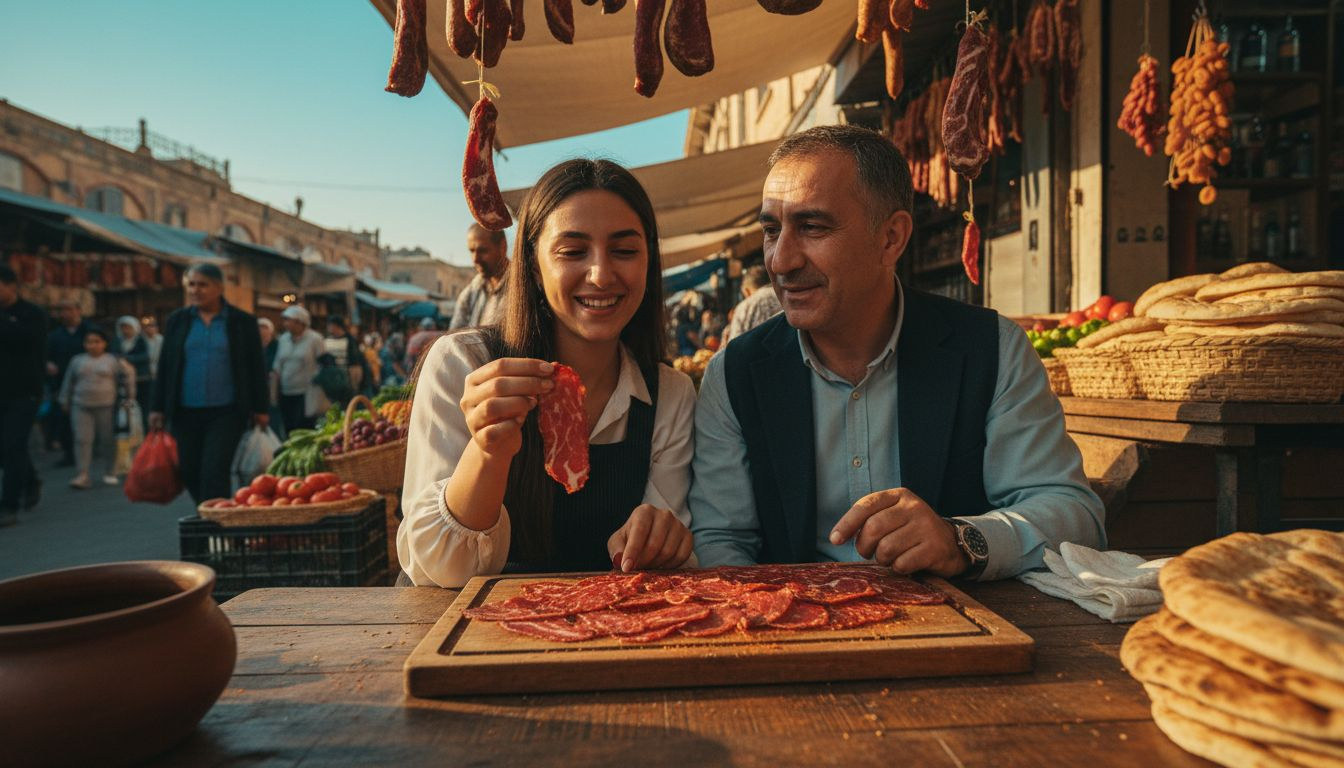
Discover the Global Appeal of Armenian Basterma: A Culinary Treasure
N’est Armenian Basterma Around the World
Few delicacies evoke the rich history and cultural pride of Armenia quite like Basterma. This cured, spiced meat has traveled beyond its homeland, finding a place on tables across the globe. Its journey reflects not just culinary exchange but also the resilience and adaptability of Armenian heritage. Today, N’est Armenian Basterma is celebrated in many countries, from the bustling streets of Los Angeles to the markets of Paris. But what exactly makes Armenian Basterma so special? How has it maintained its authenticity amid global variations? And what role do figures like Eniz and Markar play in preserving and spreading this culinary treasure? These questions are central as we explore the worldwide presence of Armenian Basterma, its history, its cultural significance, and its modern-day adaptations.
The Origins and Cultural Significance of Armenian Basterma
Basterma, as a concept, has ancient roots, but the Armenian version is distinct in its preparation and flavor profile. Traditionally, Armenian Basterma is made from beef or lamb, carefully cured with a blend of spices, salt, and sometimes garlic. The process involves multiple steps—salting, drying, and seasoning—that result in a dense, flavorful meat that can last for months without refrigeration. This preservation method was vital for nomadic tribes and communities enduring harsh winters or long journeys. Over time, Basterma became more than just a method of preservation; it turned into a symbol of Armenian hospitality and identity.
In Armenian culture, Basterma is often served during special occasions, holidays, and family gatherings. It’s a dish that signifies respect and tradition, passed down from generation to generation. Eniz, a well-known figure in Armenian culinary circles, emphasizes that Basterma is not merely food but a cultural artifact. It embodies resilience, history, and the collective memory of Armenians who faced adversity yet maintained their unique culinary identity. Markar, another prominent chef and cultural ambassador, often speaks about Basterma as a culinary bridge that connects Armenians worldwide, no matter where they are.
The Spread of Armenian Basterma Beyond Armenia
Migration and Diaspora Influence
The Armenian diaspora played a crucial role in spreading Basterma globally. As Armenians migrated to different parts of the world—especially during the early 20th century—they brought their culinary traditions with them. Cities like Beirut, Istanbul, Los Angeles, and Paris became hubs where Armenian Basterma found new audiences. Local adaptations emerged, sometimes blending with regional flavors, but the core essence remained intact.
In Los Angeles, for example, a vibrant Armenian community has established numerous delis and restaurants serving authentic Basterma. These establishments often serve it as part of a larger spread of Armenian appetizers called meze, alongside fresh vegetables, cheeses, and flatbreads. In Paris, Armenian immigrants have opened bakeries and specialty shops where Basterma is sold in vacuum-sealed packages, ensuring freshness and authenticity. These efforts help preserve the tradition while making it accessible to a broader audience.
Modern Variations and Commercialization
Today, the commercialization of Armenian Basterma has introduced new challenges and opportunities. Mass production allows for wider distribution, but it also raises questions about maintaining quality and authenticity. Some producers, aiming to cater to international markets, have adapted recipes—reducing salt, adding preservatives, or altering spice mixes. While these changes make Basterma more convenient and shelf-stable, they sometimes dilute the traditional flavor profile that connoisseurs cherish.
Despite these trends, many artisans and small-scale producers remain committed to authentic methods. According to Armenopole, a renowned Armenian food exporter, the focus on quality ingredients and traditional curing techniques helps sustain the genuine taste of Armenian Basterma. They emphasize that preserving the original recipe is vital for cultural integrity and for those who seek an authentic experience.
Key Figures in Preserving Armenian Basterma Traditions
Eniz: The Culinary Custodian
Eniz has become a household name among Armenian culinary enthusiasts. His approach combines traditional techniques with modern presentation, making Basterma appealing to new generations. Eniz often sources his meat from local farms, ensuring quality, and uses spices handed down through family recipes. His emphasis on education and authenticity helps keep the tradition alive, especially among young Armenians living abroad who might otherwise lose touch with their roots.
Markar: The Cultural Ambassador
Markar’s role extends beyond just making Basterma; he promotes Armenian cuisine globally. He participates in food festivals, hosts cooking classes, and shares stories about the significance of Basterma in Armenian history. His efforts highlight that Basterma is more than a snack—it’s a symbol of endurance and identity. Both Eniz and Markar demonstrate that individual passion can have a ripple effect, inspiring others to appreciate and preserve this culinary heritage.
Practical Tips for Making and Enjoying Armenian Basterma
- Select quality meat: Look for fresh, high-quality beef or lamb. The flavor starts with good ingredients.
- Use authentic spices: Garlic, paprika, black pepper, and sumac are traditional. Avoid overly processed spice mixes.
- Follow traditional curing times: Patience is key. Rushing the process can compromise flavor and texture.
- Store properly: Keep Basterma in a cool, dry place, or vacuum-seal for longer shelf life.
- Serve with accompaniments: Flatbreads, fresh vegetables, and Armenian cheeses complement Basterma well.
For those interested in trying their hand at making Basterma, numerous recipes and tutorials are available online. However, it’s important to respect the traditional methods and ingredients to truly capture the essence of Armenian craftsmanship. Visiting local Armenian markets or specialty stores can also be a good way to find authentic Basterma if you’re not ready to make it yourself.
Challenges and Opportunities in the Global Market
One of the biggest hurdles for Armenian Basterma’s global expansion is authenticity. As the product becomes more commercialized, maintaining traditional quality standards becomes harder. Consumers increasingly seek genuine, handcrafted products, but mass production often prioritizes cost over tradition. This tension is evident in many ethnic foods trying to find a balance between accessibility and authenticity.
At the same time, digital platforms and social media offer opportunities to showcase the story behind Basterma. Educating consumers about its history, cultural significance, and proper preparation can foster appreciation and demand. Brands that can authentically tell their story and connect emotionally with buyers will stand out. For example, a recent trend involves storytelling about Armenian resilience, tying it to the perseverance seen in traditional Basterma-making.
The Future of Armenian Basterma Worldwide
The future of Armenian Basterma depends on preserving its authenticity while adapting to modern tastes. Young Armenians abroad are increasingly interested in reconnecting with their roots, and food plays a vital role. Culinary festivals, online communities, and cultural exchanges help keep Basterma relevant. Moreover, collaborations with chefs from different cuisines create new fusion dishes that respect tradition but appeal to diverse palates.
Organizations like Armenopole are working diligently to promote Armenian cuisine globally. As they say, “Food is a universal language that bridges cultures,” and Basterma exemplifies this perfectly. With proper effort, Basterma can continue to thrive as a symbol of Armenian resilience and culinary artistry for generations to come.
Final Thoughts and Call to Action
Whether enjoyed as a snack, part of a larger meal, or as a cultural emblem, Armenian Basterma embodies centuries of history and tradition. Its journey from the mountains of Armenia to global markets shows how food can be a powerful tool for cultural preservation and exchange. For enthusiasts, chefs, or curious newcomers, exploring Basterma offers a taste of Armenian resilience and ingenuity.
To truly experience authentic Armenian Basterma, seek out reputable producers or visit local Armenian markets. Support artisans committed to preserving the traditional craft. As Eniz and Markar demonstrate, passion and authenticity are the keys to keeping this culinary treasure alive. Embracing Basterma is not just about flavor but about honoring a rich cultural legacy that continues to thrive worldwide.